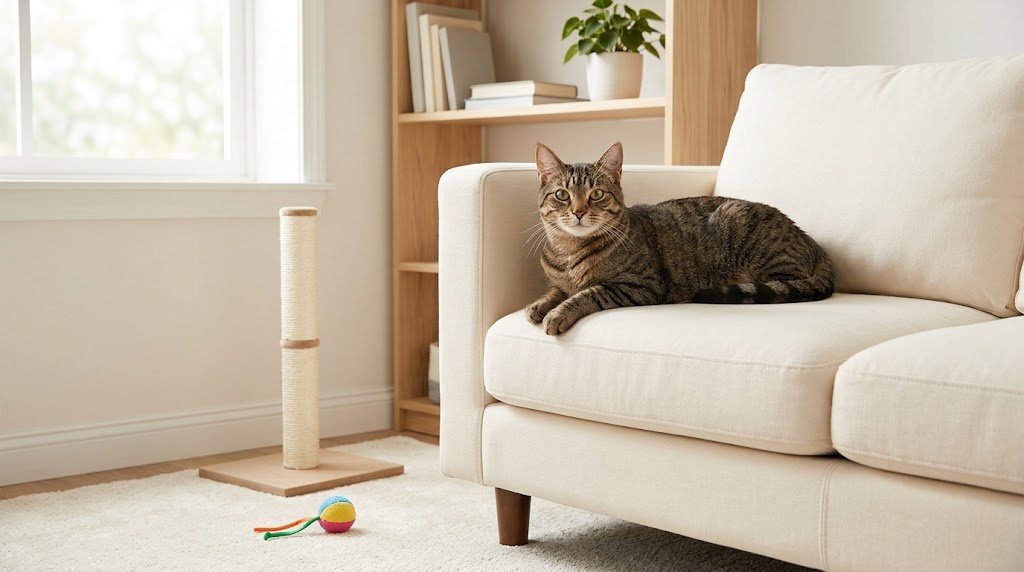
Are cats low maintenance pets? The honest answer is yes, in some ways. Cats don’t need walks, and most use a litter box by instinct. But they still need daily feeding, litter care, play, attention, and regular vet (veterinarian) visits.
Cats are also more popular than ever. According to the American Pet Products Association (APPA), cat ownership in the U.S. reached 53 million households in 2025, or 39% of all households, a 5% rise from the year before.
This guide covers daily care, real costs, time alone, hidden needs, breeds, and how cats compare with other pets.
While cats are generally considered more manageable pets, people interested in unusual animals may also wonder, can you have a penguin as a pet?
Are Cats Low Maintenance Pets? The Short Answer
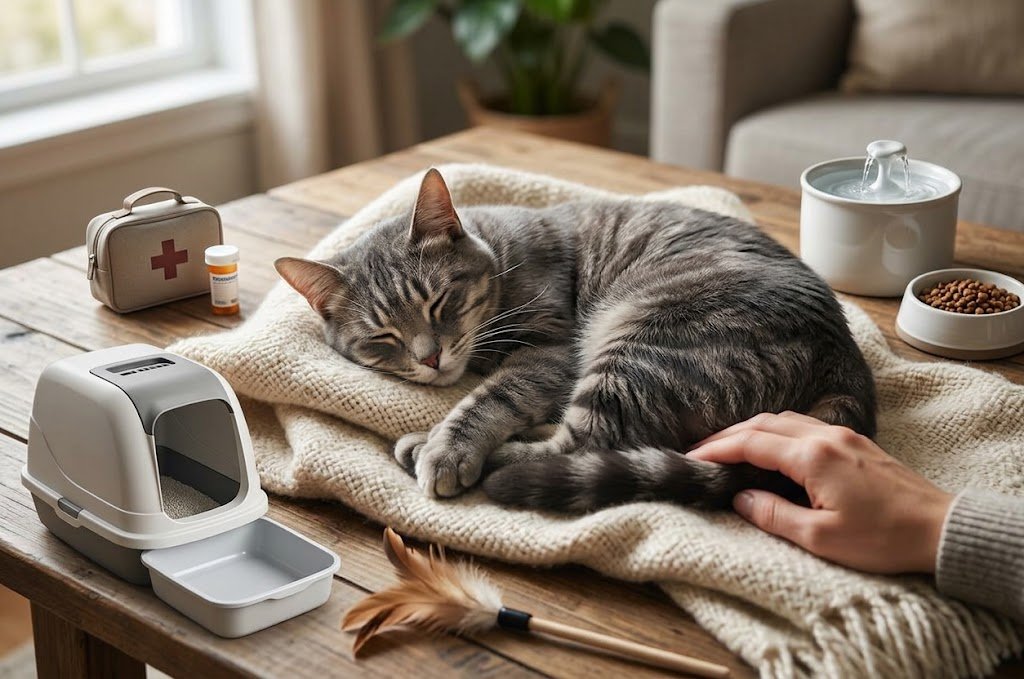
“Low maintenance” doesn’t mean “no maintenance.” It means a cat’s care fits more easily into a busy life than many other pets’ care.
A common myth says cats take care of themselves. In reality, they depend on you for food, water, a clean litter box, health care, and company. Low maintenance pets still need a responsible owner.
So the real question isn’t whether cats need care. It’s whether their kind of care suits your life.
Why Cats Are Often Called Low Maintenance
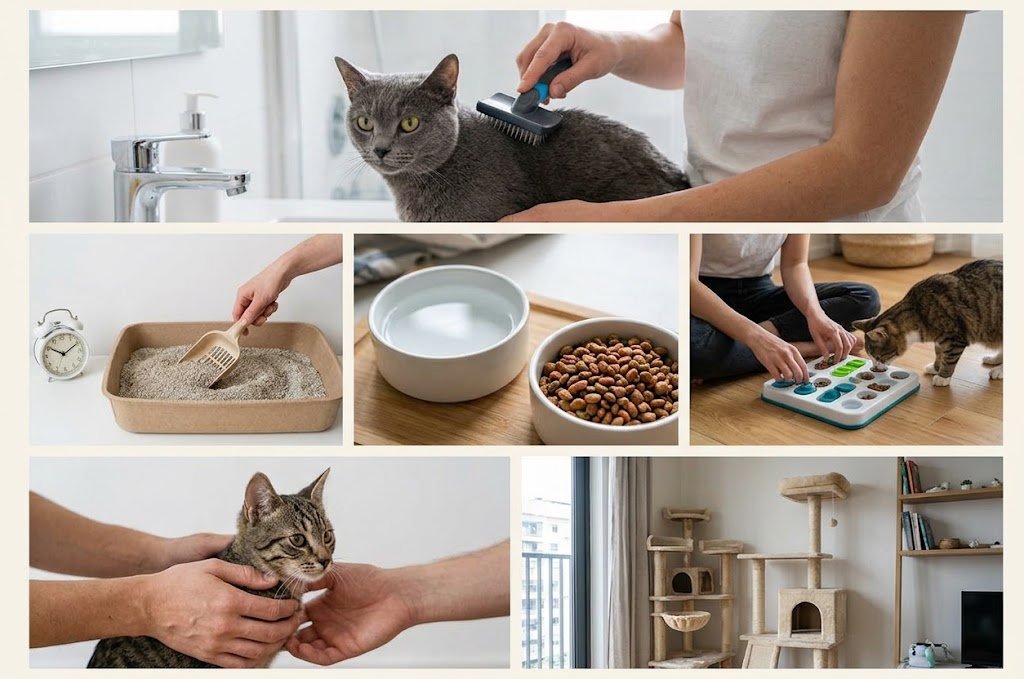
Several natural traits make cat care simpler than dog care.
- Self-grooming. Most short-haired cats keep their coats clean on their own. Many rarely need a bath.
- Litter box instincts. Cats naturally bury waste. You won’t need house-training walks or late-night bathroom trips.
- Independence. Many adult cats rest happily while you’re at work.
- Small-space friendly. Cats adapt well to apartments. They use vertical space, like shelves and cat trees.
- Quiet nature. Most cats are quieter than dogs, which helps in shared buildings.
These traits explain why many people ask, “Are cats easy to take care of?” For many owners, the answer is yes, with effort.
How Much Care Does a Cat Need? (Daily, Weekly, Yearly)
Here’s a realistic care checklist. Adjust it with your vet’s advice.
| How Often | Tasks |
|---|---|
| Daily | Feed on a schedule, refresh water, scoop litter, play 2–3 short sessions, give attention |
| Weekly | Wash bowls, brush the coat, fully change litter (or as the litter type requires) |
| Monthly | Trim nails (often every few weeks), give parasite prevention if your vet recommends it |
| Yearly | Wellness exam, vaccines as advised, dental check |
Kittens and senior cats need more frequent checkups. Long-haired cats need more brushing.
Cost of Owning a Cat
Cats cost less than many people expect, but they aren’t cheap. The American Society for the Prevention of Cruelty to Animals (ASPCA) estimates an annual total of $1,149 for a cat.
Yearly Costs
The ASPCA’s yearly cat estimates include food at $225, routine medical costs at $160, preventive medication at $140, litter at $150, toys at $22, treats at $36, and health insurance at $348.
Food costs may be rising. APPA’s 2025 survey found cat owners spent an average of $337.53 on food, up 9% year over year.
Vet visits vary by region. Data from the American Veterinary Medical Association (AVMA) puts the average routine visit spend at about $138 for cats in 2025.
First-Year Costs
Year one costs more because of setup and surgery. ASPCA’s one-time cat estimates include $150 for spay/neuter, $175 for initial medical costs, $20 for microchipping, $20 for a litter box, $15 for a scratching post, and $40 for a carrier.
Unexpected Costs
Budgets often break because of emergencies. A urinary blockage, dental surgery, or injury can cost far more than routine care. Consider pet insurance or a savings fund. Also plan for pet sitting when you travel.
Can Cats Be Left Alone?
Yes, but within limits. According to PetMD, healthy adult cats can generally be left alone for eight to 12 hours at a time. That fits a normal workday for most cats.
Some vet clinics say that under some circumstances, a healthy adult cat may be left alone for 24–48 hours, depending on personality, living conditions, and whether the cat is used to it. Still, PetMD advises that if you’ll be away more than 24 hours, a trusted pet sitter or caregiver should check on your cat.
Kittens need much more supervision. Kittens under four months old shouldn’t be left alone longer than four hours at a time. New cats need time to settle, too. One vet recommends waiting at least three weeks before leaving a newly adopted cat alone for long periods.
Risks of Too Much Time Alone
Even with food and water, cats left alone for several days can become sick, stressed, bored, lonely, or destructive. Worse, nobody is there to notice a health problem early.
Helpful Tools
- Automatic feeders: Keep meals on schedule. Downside: they can jam or run out of power.
- Water fountains: Encourage drinking. Downside: they need regular filter changes.
- Pet cameras: Let you check in. Downside: they can’t refill a bowl.
- Pet sitters: The safest option for trips. Downside: added cost.
Hidden Needs Many Owners Overlook
Cats have needs that aren’t obvious at first. Skipping them often causes problems later.
Mental Stimulation
Indoor cats are natural hunters with nothing to hunt. Wand toys, puzzle feeders, and window perches help. Short daily play sessions matter more than expensive toys.
Social Needs
Many cats bond closely with their people. Research cited by PetMD suggests many cats value interaction with their people and may even choose human companionship over food in some situations.
Scratching
Scratching is normal behavior. It keeps claws healthy and marks territory. Offer sturdy posts near furniture to protect your couch.
Behavior Problems
Boredom and stress can lead to peeing outside the box, overgrooming, or night-time chaos. Always rule out medical causes first, such as a urinary tract infection (UTI), with your vet.
Senior Care
Older cats may develop kidney disease, arthritis, or thyroid problems. Ask your vet whether more frequent checkups make sense as your cat ages.
Cats vs Dogs Maintenance (and Other Pets)
How does a cat compare with other common pets? Here’s a side-by-side look.
| Pet | Daily Time Needed | Estimated Yearly Cost | Space Needed | Can Be Left Alone? | Social Needs |
|---|---|---|---|---|---|
| Cat | Moderate (feeding, scooping, play) | About $1,149 (ASPCA) | Small to medium; apartment-friendly | Healthy adults: about 8–12 hours | Moderate |
| Dog | High (walks, training, play) | About $1,391 (ASPCA) | Varies by size | Varies by age and training | High |
| Fish | Low to moderate (feeding, tank care) | Varies by tank setup | Small | Varies | Low |
| Rabbit | Moderate to high (hay, cleaning, exercise) | About $300–$800 (Kiplinger) | Medium; needs room to roam | Varies | High |
| Hamster | Low to moderate (feeding, cleaning) | About $400–$600 (Kiplinger) | Small | Varies | Low |
Sources: The ASPCA lists annual totals of $1,391 for a dog and $1,149 for a cat. Kiplinger estimated annual costs of $300–$800 for a rabbit and $400–$600 for a hamster. Estimates vary by source and region.
In short, cats vs dogs maintenance favors cats on time and cost. Fish and hamsters take less time, but offer less interaction. Rabbits are often underestimated. They need space, daily exercise, and specialist vet care.
Low Maintenance Cat Breeds
Some breeds have simpler grooming needs. Remember that individual personality matters more than breed.
British Shorthair
- Coat: Dense and short; weekly brushing is usually enough.
- Temperament: Calm and easygoing.
- Health: British Shorthairs are generally hardy, but buyers should ask breeders about hypertrophic cardiomyopathy (HCM) and polycystic kidney disease (PKD). HCM is a thickening of the heart muscle. PKD causes cysts in the kidneys. Obesity is the most common preventable problem.
Russian Blue
- Coat: PetMD notes the Russian Blue is a low-maintenance breed for grooming, and too much fussing can damage its double coat.
- Temperament: Gentle, but often shy with strangers.
- Health: Generally healthy. PetMD lists dental disease as a concern and notes reputable breeders should screen for issues like polycystic kidney disease and progressive retinal atrophy.
American Shorthair
- Coat: Short and dense, needing little grooming.
- Temperament: Often friendly and adaptable, which suits families.
- Health: Usually sturdy. Weight control and regular checkups still matter.
Domestic Shorthair (Mixed Breed)
- Coat: Short and easy to maintain.
- Temperament: Varies widely. Shelter staff can describe each cat’s personality.
- Health: Genetic diversity may help. Mixed-breed cats often live longer than purebreds.
Domestic shorthairs are also widely available at shelters, often at lower cost.
Tips to Make Indoor Cat Care Easier
Good systems make indoor cat care faster and less stressful.
- Set a routine. Feed and play at the same times daily. Cats thrive on predictability.
- Consider a self-cleaning litter box. Pro: less daily scooping. Con: high cost, noise, and some cats refuse them. You also lose a daily check on urine changes.
- Place scratching posts wisely. Put tall, sturdy posts near sofas and doorways.
- Rotate toys. Swap toys weekly to keep them interesting. It costs nothing.
- Use puzzle feeders. Pro: slow eating and mental work. Con: some cats get frustrated at first.
- Keep a care log. Track vet dates, weight, and medications in one place.
Is a Cat the Right Pet for You?
Ask yourself these questions before adopting:
- Schedule: Can you give daily care and play, even on busy days?
- Budget: Can you cover about $1,000+ a year, plus emergencies?
- Space: Do you have room for a litter box, scratching posts, and climbing spots?
- Allergies: Has everyone in your home spent time around cats?
- Travel: Who will care for your cat when you’re away?
- Commitment: Are you ready for the long term? The average cat lifespan is 12 to 18 years, and many indoor cats reach their late teens or 20s.
If you answered yes to most, a cat may suit you well.
FAQs
Are cats good pets for busy people?
Often, yes. Healthy adult cats usually handle a normal workday alone. They still need daily play and attention when you’re home.
How long can a cat be left alone?
Healthy adults can typically manage 8–12 hours. For trips longer than 24 hours, arrange a sitter. Kittens need much shorter gaps.
Are cats cheaper than dogs?
Usually. ASPCA estimates put yearly cat costs below dog costs. Costs vary with health, breed, and location.
Do cats need baths?
Most cats rarely need baths because they groom themselves. Exceptions include very dirty cats, some long-haired or hairless breeds, and cats with skin conditions. Ask your vet first.
Are indoor cats easier to care for than outdoor cats?
Indoor cats face fewer dangers and live significantly longer than outdoor cats, which face risks like traffic, disease, and predators. However, they need more play and enrichment.
Is a male or female cat lower maintenance?
Once spayed or neutered, the difference is usually small. Personality matters more than sex. One 2024 study found females averaged 12.5 years compared to 11.2 years for males.
Conclusion
So, are cats low maintenance pets? They are lower maintenance than many pets, especially dogs. But they still need daily care, regular vet visits, play, and a real budget.
If that sounds manageable, visit a local shelter and meet a few adult cats. Talk to a vet about first-year needs. Then write a simple care checklist before bringing your cat home.
Sources
- American Pet Products Association (APPA), 2026 Cat Report (2025 National Pet Owners Survey), via Pet Food Industry: https://petfoodindustry.com/pet-food-market/market-trends-and-reports/news/15834866/report-cat-ownership-grows-to-53-million-us-households
- ASPCA, Cutting Pet Care Costs: https://www.aspca.org/pet-care/general-pet-care/cutting-pet-care-costs
- AVMA routine visit data, via Pawlicy Advisor: https://www.pawlicy.com/blog/vet-visit-cost/
- PetMD, How Long Can You Leave a Cat Alone?: https://www.petmd.com/cat/general-health/how-long-can-you-leave-a-cat-alone
- South Charlotte Vet, How long can you leave a cat home alone?: https://www.sharonlakes.com/site/blog-south-charlotte-vet/2024/08/15/cat-alone
- 24 Hour Pet Vet, How long can you leave a cat home alone?: https://www.24hrpetvet.com/site/blog/2024/07/30/leave-cat-alone
- Reader’s Digest, How Long Is It OK to Leave Your Cat Home Alone?: https://www.rd.com/article/how-long-can-you-leave-cat-alone/
- Embrace Pet Insurance, How Long Do Cats Live?: https://www.embracepetinsurance.com/waterbowl/article/how-long-do-cats-live
- Kiplinger, The Cost of Owning a Hamster and 4 Other Small Household Pets: https://www.kiplinger.com/slideshow/spending/t063-s001-the-cost-of-owning-5-popular-small-household-pets/index.html
- British Shorthair health guide: https://www.britishshorthaircat.co.uk/british-shorthair-health/
- PetMD, Russian Blue breed profile: https://www.petmd.com/cat/breeds/russian-blue
This article is for general information only. Please consult a veterinarian for health decisions about your pet.