Understanding Feline Sleep: Biology and Behavior
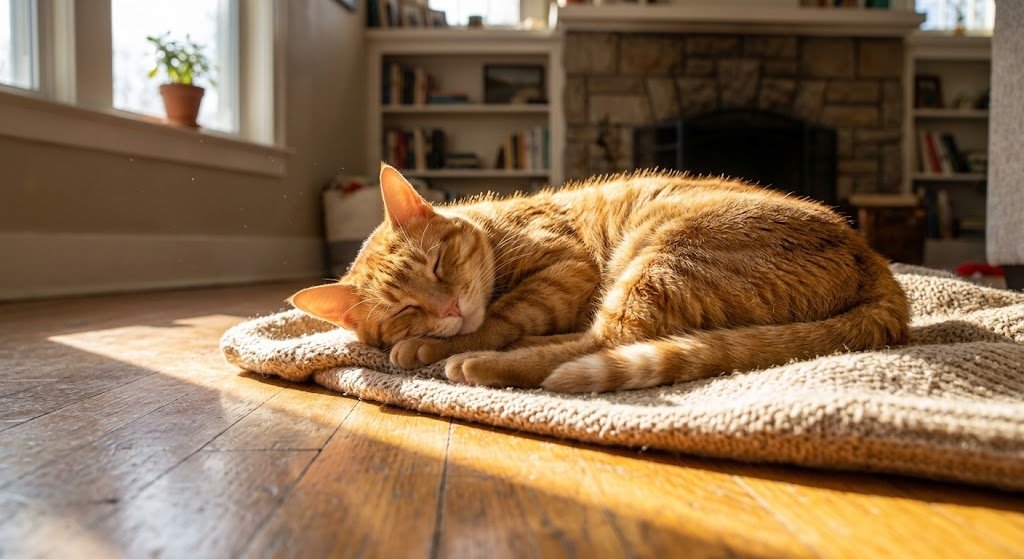
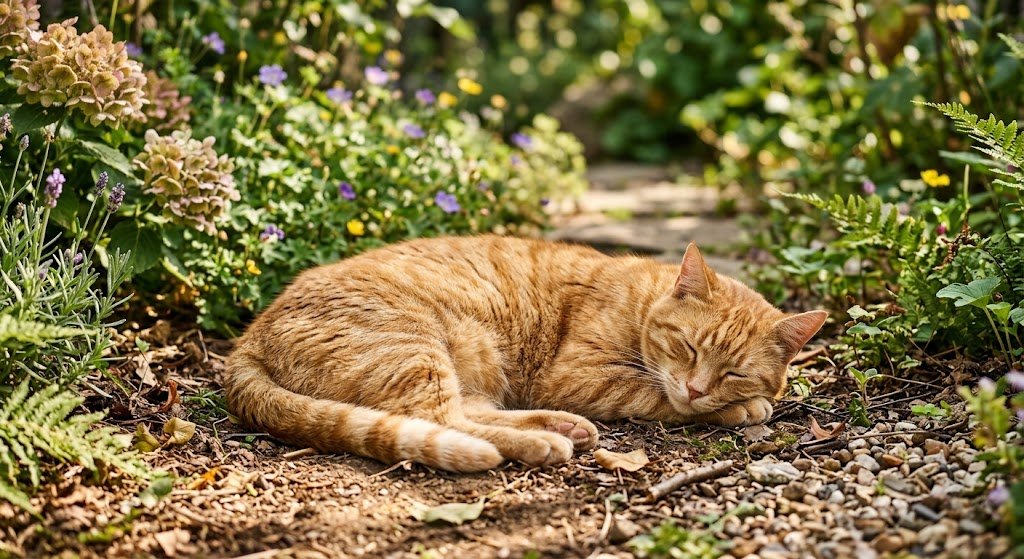
Many pet owners often wonder,are cats happy sleeping all day? To answer this accurately, we must look at natural feline physiology. Cats are crepuscular predators. This means they are most active during dawn and dusk. Their wild ancestors conserved energy during daylight hours to hunt prey successfully. Modern domestic cats retain this exact genetic programming today.
An average adult cat sleeps between 12 and 16 hours every single day. Kittens and senior cats often sleep up to 20 hours in 24 hours. Research from the American Animal Hospital Association (AAHA) shows that roughly 70% of a cat’s life is spent sleeping or resting. Therefore, seeing your cat nap throughout the day is completely normal and healthy.
Sleep Quality: Light Napping vs. Deep REM Rest
Feline sleep is divided into two main biological stages: Rapid Eye Movement (REM) sleep and non-REM light sleep. Understanding these stages helps owners differentiate between true rest and potential lethargy.
Light Napping (Non-REM)
This accounts for nearly 75% of a cat’s total rest. During light sleep, cats remain alert to sounds and scents. Their ears may twitch toward subtle noises. Their bodies can react instantly if danger arises.
Deep Sleep (REM)
This stage makes up the remaining 25% of their sleep cycle. During REM sleep, cats may twitch their paws, move their whiskers, or make soft squeaking noises. This is when memory consolidation occurs, and body tissues repair themselves.
When Sleeping Indicates Happiness vs. Boredom
While rest is normal, a crucial question remains: are cats happy sleeping all day, or are they simply bored? Feline behavioral experts note that passive disinterest often gets mistaken for peaceful contentment.
| Behavioral Indicator | Content & Happy Cat | Bored or Depressed Cat |
|---|---|---|
| Waking Demeanor | Alert, affectionate, stretches and plays | Sluggish, unresponsive, avoids contact |
| Grooming Habits | Clean coat with normal self-grooming | Over-grooming, bald spots, or an unkempt coat |
| Appetite & Routine | Eager at mealtimes and normal litter-box use | Loss of appetite or changes in litter-box habits |
If a cat sleeps continuously because it lacks mental enrichment, it experiences chronic boredom. When evaluating if are cats happy sleeping all day, owners should carefully assess their environment. A cat with no toys, vertical trees, or window perches may choose sleep simply because nothing else exists to engage its sensory systems.
Medical Conditions That Cause Excessive Sleep
A sudden change in sleep patterns warrants immediate attention. Veterinary clinical data links excessive sleeping (hypersomnia) to several medical conditions:
- Osteoarthritis (OA): Studies show that over 90% of cats over 10 years old suffer from degenerative joint disease. Painful joints make movement difficult, leading to prolonged lying down.
- Feline Cognitive Dysfunction (FCD): Similar to Alzheimer’s in humans, FCD alters sleep-wake cycles. Senior cats may sleep constantly during the day and vocalize nervously at night.
- Systemic Illnesses: Chronic Kidney Disease (CKD), Feline Infectious Peritonitis (FIP), and Diabetes Mellitus often manifest as lethargy rather than clear distress.
Optimizing Your Cat’s Daily Routine and Wellbeing
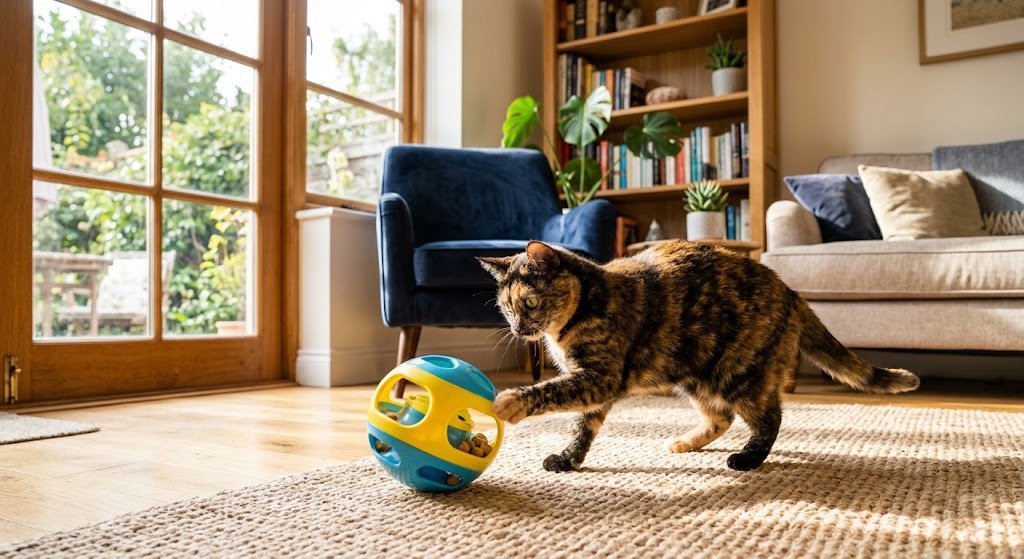
To ensure your pet remains happy and fulfilled, balance rest with structured active play. When asking are cats happy sleeping all day, proactive owners must provide environmental enrichment to keep wakeful periods engaging.
Implement these practical solutions to optimize feline wellbeing:
- Scheduled Interactive Play: Engage in 10 to 15 minutes of feather-wand play twice daily before feeding to mimic natural hunt-eat-sleep cycles.
- Vertical Space & Window Views: Position cat trees near windows so they can watch outdoor wildlife, providing essential visual stimulation.
- Puzzle Feeders: Replace standard bowls with food-dispensing puzzles to encourage foraging behaviors and mental acuity.
Frequently Asked Questions (FAQs)
1. How many hours of sleep is normal for an indoor cat?
An adult cat typically sleeps between 12 to 16 hours a day. Kittens, older cats, and senior felines can sleep up to 20 hours per day as part of their biological routine.
2. Should I wake my cat up if they sleep all day?
No, you should avoid waking a sleeping cat unnecessarily. Sudden waking can induce stress or defensive reactions. Instead, initiate play and interaction when they naturally wake up.
3. What is the difference between sleeping and lethargy in cats?
A healthy sleeping cat wakes easily at familiar sounds like food preparation or doorbells. A lethargic cat remains unmotivated, dull, and unresponsive even when offered food or toys.
4. Why do cats sleep more in cold or rainy weather?
Cats regulate their body temperature through metabolic control. Cooler temperatures cause them to curl up and sleep longer to conserve body heat and energy.
5. Can depression make a cat sleep all day?
Yes. Lack of environmental stimulation, changes in household dynamics, or loss of a companion can cause feline depression, which often manifests as prolonged sleeping and social withdrawal.
Final Verdict
In conclusion, are cats happy sleeping all day? The short answer is yes—provided that their sleeping schedule aligns with normal feline biology rather than illness or acute boredom. Resting for 12 to 16 hours is essential for their physical health. However, owners must ensure that when their cat is awake, it exhibits curiosity, appetite, and vigor. Monitoring subtle behavioral changes guarantees your feline companion stays both healthy and truly contented.